
Diagnostics
Why Does My Car Battery
Keep Dying Overnight?
You get in your car in the morning, turn the key or press the start button, and nothing happens. The battery was working yesterday. Now the vehicle won't start.
If this keeps happening, replacing the battery might seem like the obvious solution. But a battery that repeatedly goes dead can have several different causes.
The important thing is figuring out whether the battery is failing, the vehicle isn't charging it properly, or something is using power while the car is parked.
Norm’s Automotive CenterLos Alamitos, California
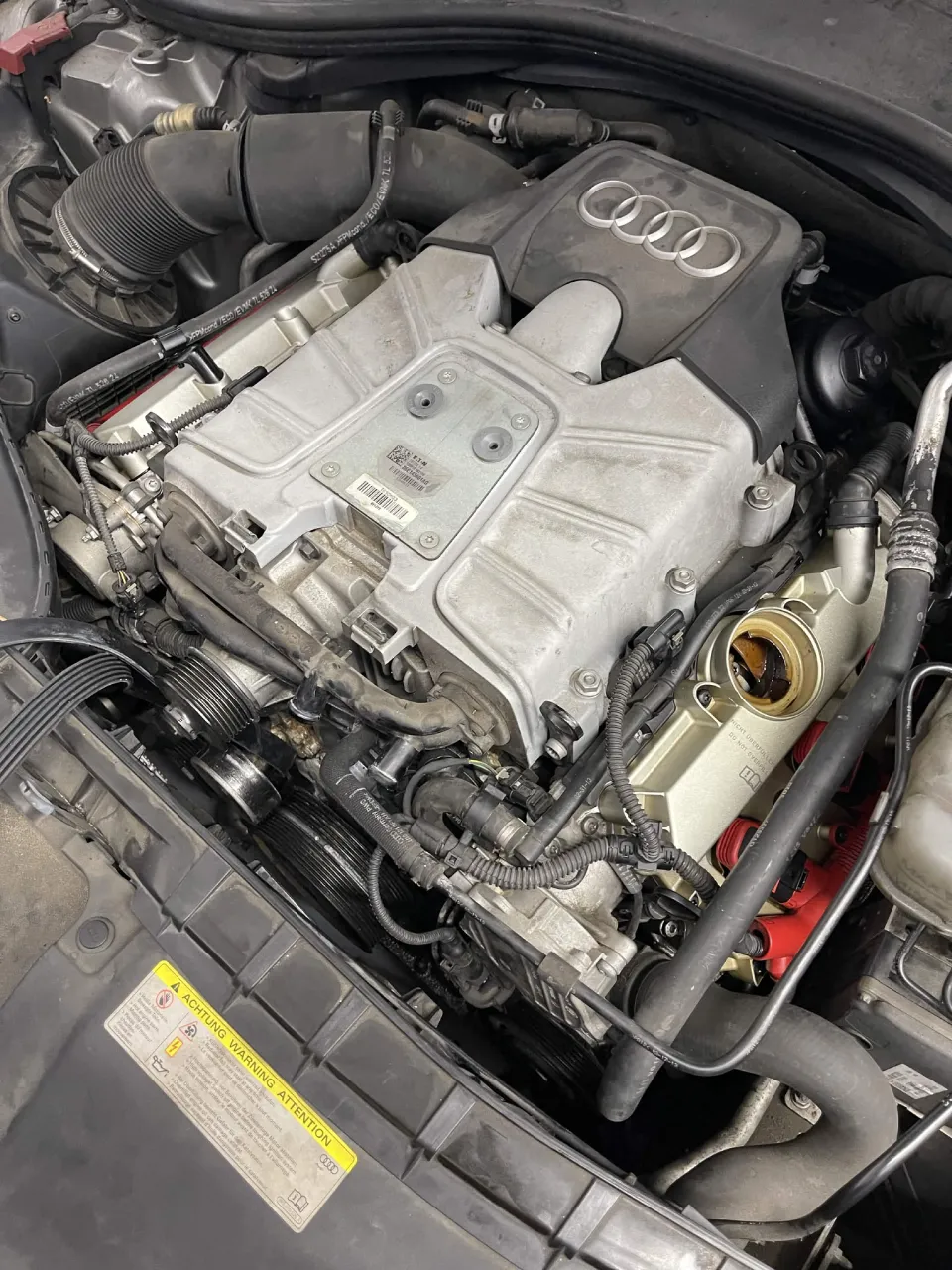
A car that won't start in the morning can turn an ordinary day into a frustrating one.
If the battery keeps dying overnight, the first instinct is often to replace it. Sometimes that is the right repair. But if the battery is being drained by an electrical problem or isn't being recharged properly, a new battery may end up with the same problem.
There are three broad areas to consider:
- 01
The battery may no longer hold a charge.
- 02
The charging system may not be replenishing the battery properly.
- 03
Something may be drawing power while the vehicle is turned off.
The symptoms can overlap, which is why testing matters.
1. The Battery May No Longer Hold a Charge
A car battery has a limited service life. Over time, its ability to store and deliver electrical energy can decline.
A battery may still have enough power to start the vehicle one day but struggle after sitting overnight, especially if it is already weakened.
You might notice slow cranking, clicking when trying to start the engine, dim lights or repeated no-starts after the vehicle has been parked.
However, these symptoms do not prove the battery itself is defective.
A weak battery and a battery that is being drained by another problem can feel very similar from the driver's seat.
A proper battery test can help determine whether the battery can still perform as intended.
2. The Charging System May Not Be Recharging the Battery
Your vehicle's charging system replenishes the battery while the engine is running.
If the alternator or another part of the charging system isn't working correctly, the battery may not receive the charge it needs during normal driving.
The vehicle may start after being jump-started but then struggle again later.
Possible symptoms include a battery or charging warning light, dimming lights, electrical problems or repeated starting issues.
The alternator should not automatically be replaced just because the battery keeps dying.
The charging system needs to be tested to determine whether it is operating correctly and whether another issue is affecting charging.
3. Something May Be Draining the Battery While the Car Is Parked
This is commonly called a parasitic battery drain.
Your vehicle uses a small amount of electrical power even when it is turned off. Systems such as security, memory and certain electronic modules may need to remain active.
That normal power use is different from an electrical fault that continues drawing excessive current after the vehicle should have entered its normal parked or sleep state.
A fault can leave something powered on when it should not be, gradually draining the battery while the vehicle sits.
Possible sources can include:
- A light or accessory that remains on.
- An electrical component that doesn't switch off properly.
- A relay or circuit that continues drawing power.
- An aftermarket accessory or improperly installed equipment.
- An electronic module that does not enter its expected sleep state.
- Wiring or electrical faults.
These are possibilities, not a list of parts that should automatically be replaced.
Finding the source of an electrical drain requires testing the vehicle under the appropriate conditions.
4. Short Trips or Extended Parking May Contribute
How you use your vehicle can affect its battery.
Repeated short trips may not provide enough time for the charging system to replace the energy used during starting and normal operation.
A vehicle that sits unused for extended periods can also experience a discharged battery, particularly if the battery is already weak or the vehicle has an abnormal electrical draw.
If your car is driven infrequently, parked for long periods or mostly used for very short trips, tell your technician.
That information can help put the symptoms into context.
It does not, by itself, establish that the battery or charging system is defective.
5. Modern Vehicle Electronics Can Make Battery Drains More Complicated
Today's vehicles contain numerous electronic systems and control modules.
Some systems remain active for a period after the vehicle is shut off before entering a lower-power state.
If a module or circuit continues operating when it should not, it may contribute to a battery drain.
Diagnosing these problems can require more than checking the battery voltage or replacing a fuse.
The technician may need to evaluate the vehicle's electrical circuits, wiring information, module behavior and current draw under the correct conditions.
The specific diagnostic process depends on the vehicle and the symptoms.
The Norm’s approach
A Dead Battery Is a Symptom. Find the Cause.
A new battery may solve the problem. But if something is draining it or the charging system isn't working properly, the same issue can come back.
At Norm’s, we want to find out why the battery keeps dying, show you what we're finding, and explain what makes sense to repair.
Diagnose it.
Explain it.
Recommend what makes sense.
How Can You Tell Whether It's the Battery or the Alternator?
The symptoms can overlap, so there isn't one symptom that reliably identifies the failed component.
A battery that struggles to start the vehicle may be weak, discharged or affected by a charging problem.
A charging warning light may point toward a charging-system concern, but the warning alone does not establish which component has failed.
A battery that repeatedly dies after the vehicle has been parked may involve a parasitic drain, a weak battery or another condition.
Testing helps separate these possibilities.
A proper diagnostic process may include evaluating the battery's condition, checking charging-system operation and, when appropriate, testing for abnormal electrical draw with the vehicle in the required operating state.
The correct sequence depends on the vehicle and the complaint.
What Should You Do If Your Car Won't Start in the Morning?
If the vehicle won't start, pay attention to what happens when you attempt to start it.
- Does the engine crank slowly?
- Do you hear rapid clicking?
- Do the dashboard lights come on?
- Does the vehicle start with a jump but fail again after sitting?
- Has the battery been replaced recently?
- Have you noticed warning lights, electrical accessories behaving strangely or lights remaining on after the vehicle is parked?
These details can help narrow down the possible causes.
If the vehicle needs a jump-start, follow the manufacturer's instructions and use the correct procedure for your vehicle. Some vehicles, particularly hybrids and EVs, have specific jump-starting procedures and designated connection points.
Do not attempt to jump-start a vehicle if the battery is visibly damaged, leaking, swollen or otherwise appears unsafe.
If you're unsure, arrange for professional assistance.
Automotive advice from Los Alamitos
Battery and Electrical Diagnostics for Our Local Communities
A car that won't start can disrupt your entire day, whether you're heading to work from Los Alamitos, leaving home in Rossmoor, or commuting through Seal Beach, Cypress, Long Beach, Lakewood or Cerritos.
Norm’s Automotive Center is located in Los Alamitos and serves drivers throughout the surrounding communities we serve.
Our approach is the same whether you're coming from nearby or making the drive from across the area:
Diagnose it.
Explain it.
Recommend what makes sense.
Why Norm’s is different
We Don't Replace Parts Just to See If It Fixes the Problem.
A battery that keeps dying doesn't automatically mean you need another battery.
The problem could be the battery, charging system, an electrical drain or another issue.
At Norm’s, we want to understand what's actually happening before recommending a repair.
We'll show you what we find, explain what it means, and help you decide what makes sense for your vehicle.
When Should You Have the Electrical System Inspected?
If your battery repeatedly goes dead, it is worth having the problem diagnosed rather than repeatedly replacing or jump-starting the battery.
You should also have the vehicle checked if you notice:
- A battery or charging warning light.
- Repeated slow starting or no-starts.
- Electrical accessories behaving unpredictably.
- Flickering or dim lights.
- A burning smell or signs of damaged wiring.
- A recently installed battery that keeps losing charge.
If you notice smoke, a strong burning smell, a visibly damaged battery or other signs of an electrical safety issue, stop using the vehicle and arrange for appropriate assistance.
The Bottom Line
If your car battery keeps dying overnight, don't automatically assume the battery is the only problem.
The battery may be worn out. The charging system may not be working correctly. Something may be drawing power while the vehicle is parked.
The right repair depends on finding the cause.
At Norm’s, we'll inspect the problem, explain what we find, and help you decide what makes sense for your vehicle.
Need help with your vehicle?
Let’s Find Out Why Your Battery Keeps Dying.
Need help with your vehicle? Schedule an inspection or repair with Norm’s Automotive Center in Los Alamitos.
Back to the Norm’s Automotive Center Blog